Cases
Nieuwegein
Cases
Nieuwegein

Nieuwegein is facing significant growth and wants to sustain it without losing quality of life. Discover how an integrated digital model helped the municipality get a grip on the impact of housing construction, and return to development with clear ground rules for growth.
Customer
Municipality of Nieuwegein
Themes
Urban Development
Services
Consultancy
Custom tooling
Tailor-made training
Licenses

Challenge
Marking time!
Nieuwegein is a growth center and must respond to the growing housing shortage. Therefore, in 2021, there were plans for 3,000 new homes across 67 locations. Over time, that grew to 5,100 homes. These plans were submitted individually to the municipal council. However, the municipal council put the brakes on this growth due to the question of whether Nieuwegein could handle this expansion in a liveable and sustainable way. The Council said literally: “stop, pause”.
Challenge
Marking time!
Nieuwegein is a growth center and must respond to the growing housing shortage. Therefore, in 2021, there were plans for 3,000 new homes across 67 locations. Over time, that grew to 5,100 homes. These plans were submitted individually to the municipal council. However, the municipal council put the brakes on this growth due to the question of whether Nieuwegein could handle this expansion in a liveable and sustainable way. The Council said literally: “stop, pause”.
Approach
Digital model Nieuwegein
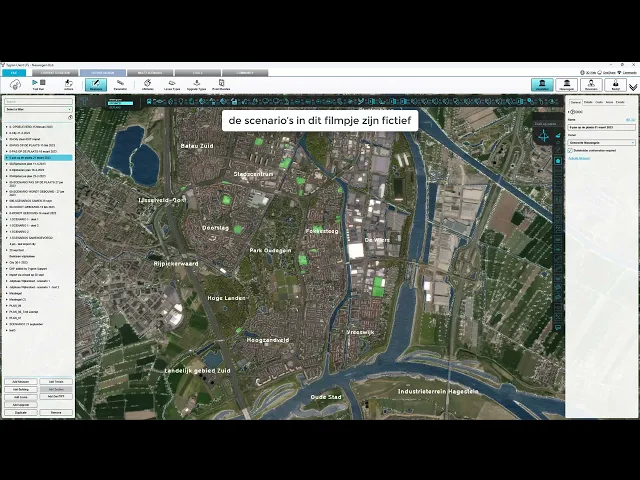
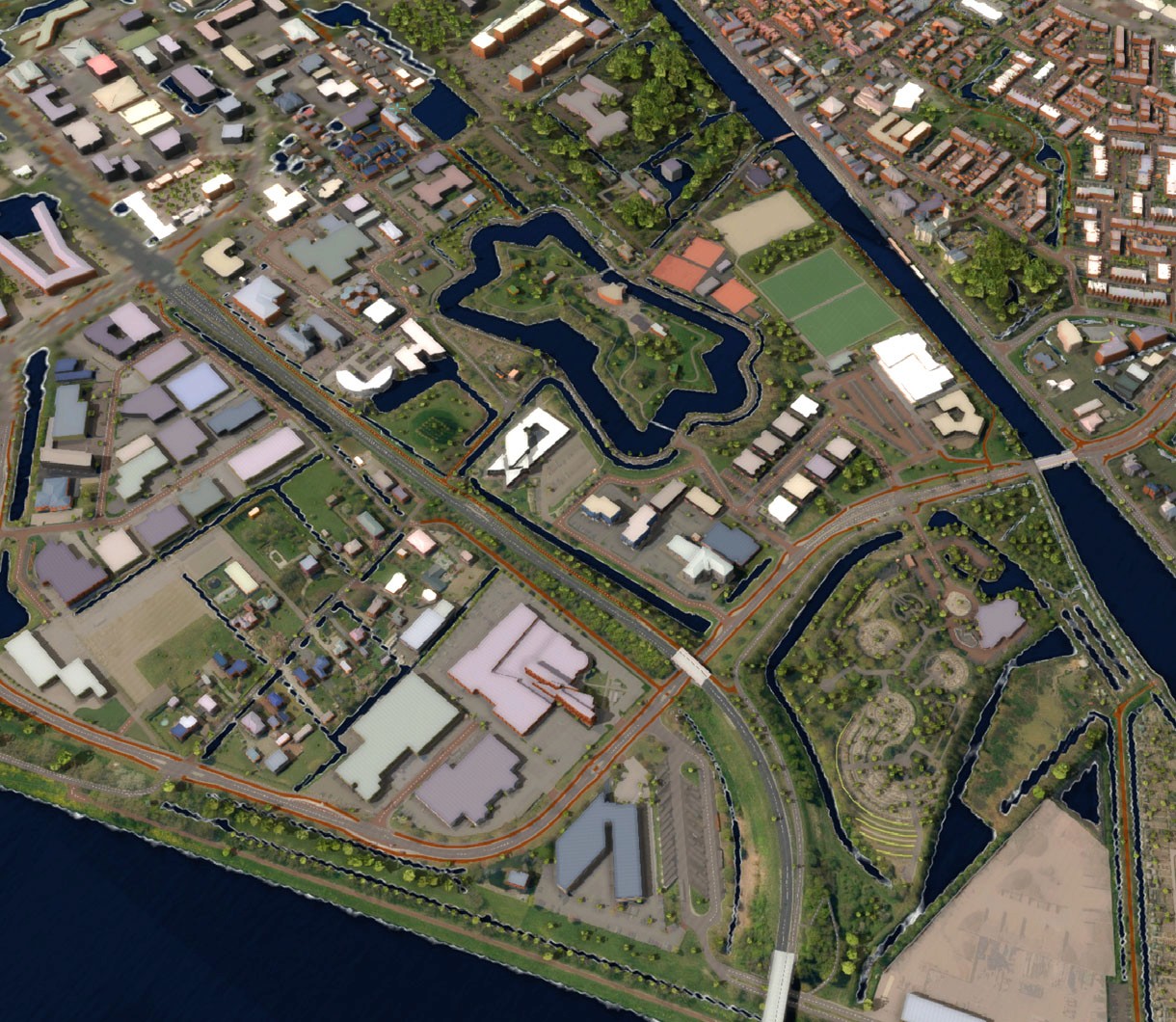
The need arose for a digital model to provide insight into the effect of growth on the city as a whole. Together with the agency SITE-UD, the study 'Grip on the growth of the city' was conducted, based on a digital model of the entire municipality of Nieuwegein. Within this, four main themes were identified: demography and housing, health, sustainability, safety, and livability. Spatial projects (urban planning schemes) can be loaded into the digital model. These are visualized, but above all, their effects are calculated using the indicators specified by the municipality of Nieuwegein. The results can be combined with qualitative policy indicators to provide an integrated overview. In this video, you can see a short demo of the Nieuwegein digital model:
Approach
Digital model Nieuwegein
The need arose for a digital model to provide insight into the effect of growth on the city as a whole. Together with the agency SITE-UD, the study 'Grip on the growth of the city' was conducted, based on a digital model of the entire municipality of Nieuwegein. Within this, four main themes were identified: demography and housing, health, sustainability, safety, and livability. Spatial projects (urban planning schemes) can be loaded into the digital model. These are visualized, but above all, their effects are calculated using the indicators specified by the municipality of Nieuwegein. The results can be combined with qualitative policy indicators to provide an integrated overview. In this video, you can see a short demo of the Nieuwegein digital model:
What has been modeled
Availability and accessibility of amenities
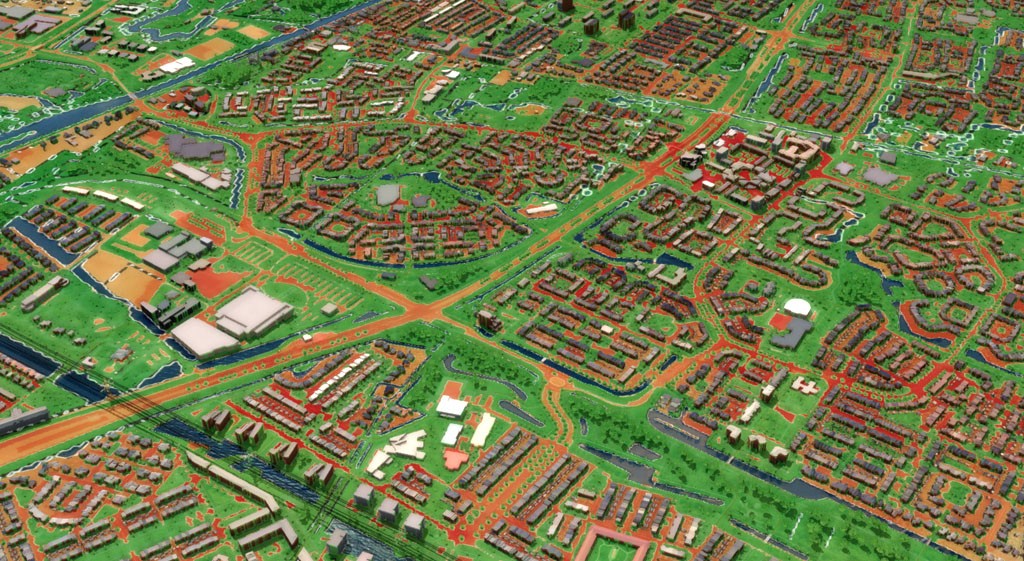
Heat stress
3-30-300 rule



Result
Guidelines for developers
The report, based on the digital model, demonstrated under which conditions Nieuwegein as a city can support the growth. It therefore provided the municipality with concrete handholds for developers regarding the conditions developments must meet. Based on this, the construction freeze 'pas op de plaats' (stepping back) was lifted.
Thus, the digital model concretely contributed to saving time in realizing developments. The digital model also contributes to Nieuwegein's transition from isolated project development to a more cohesive approach. Additionally, the digital model provides a common basis for data and calculations. The goal of the municipality of Nieuwegein is that this will contribute to more efficient working and cost savings by having the data and information in one model instead of having everything calculated separately.
This also means a potential time saving and faster execution, which is beneficial for the pressure on housing construction in the region. The municipality of Nieuwegein is still at the beginning of an innovative integration of digital technology into their spatial policies. In 2025, the process of wider implementation of the digital model within the municipality of Nieuwegein will run.
Result
Guidelines for developers
The report, based on the digital model, demonstrated under which conditions Nieuwegein as a city can support the growth. It therefore provided the municipality with concrete handholds for developers regarding the conditions developments must meet. Based on this, the construction freeze 'pas op de plaats' (stepping back) was lifted.
Thus, the digital model concretely contributed to saving time in realizing developments. The digital model also contributes to Nieuwegein's transition from isolated project development to a more cohesive approach. Additionally, the digital model provides a common basis for data and calculations. The goal of the municipality of Nieuwegein is that this will contribute to more efficient working and cost savings by having the data and information in one model instead of having everything calculated separately.
This also means a potential time saving and faster execution, which is beneficial for the pressure on housing construction in the region. The municipality of Nieuwegein is still at the beginning of an innovative integration of digital technology into their spatial policies. In 2025, the process of wider implementation of the digital model within the municipality of Nieuwegein will run.
"
“Every year we want to run the city of Nieuwegein through the system to see where we stand on the five critical success factors and report this back to the council annually.”

Anton Poelarends
Municipality of Nieuwegein
"
“Every year we want to run the city of Nieuwegein through the system to see where we stand on the five critical success factors and report this back to the council annually.”
Anton Poelarends
Municipality of Nieuwegein